After looking at what the basics of a film story are, and how important the story is to the film, we began exploring the concept of moral premises and why they are useful in generating a meaningful film. We were shown some examples, including 'Ruthless ambition leads to community breakdown', which is the basic premise to Kramer vs. Kramer, and then asked to come up with some moral premises ourselves which could be turned into a story. I enjoyed this new approach to storybuilding, as it creates a strong starting point for a story based not on a character or story world, but an ethical issue for the story world to be created upon and for the characters to be metaphors for the various pro- and con- arguments relating to the moral premise at hand.

A still from Kramer vs Kramer, in which Dustin Hoffman's character invests all his time in pursuing his career and ends up neglecting his family, and is forced to learn to be a good parent when his wife leaves him. By expanding on a very simple moral premise, not only is a good, enjoyable story told but the writer's views on family and work come through very strongly.
Using the hero as a vehicle for an author's argument is very common practice in writing, but we learnt in class that there are other, more nuanced ways of using characters to tell a story and express a point. By adapting the ancient debating technique known as dialectic, an author can begin a story giving the hero one extreme point of view, the villain another, and having the hero come to realise the important middleground between those arguments, the format of thesis > antithesis > synthesis is used to not only develop a character as the story progresses but to develop an argument alongside that character. Supporting characters provide new arguments, counterarguments and points of view throughout the story, fleshing out the process of arriving at a good moral premise. Though I knew about dialectic as a process, having studied philosophy before, I had never considered its application in creative writing and am glad to have learnt such a different way of reusing this technique.
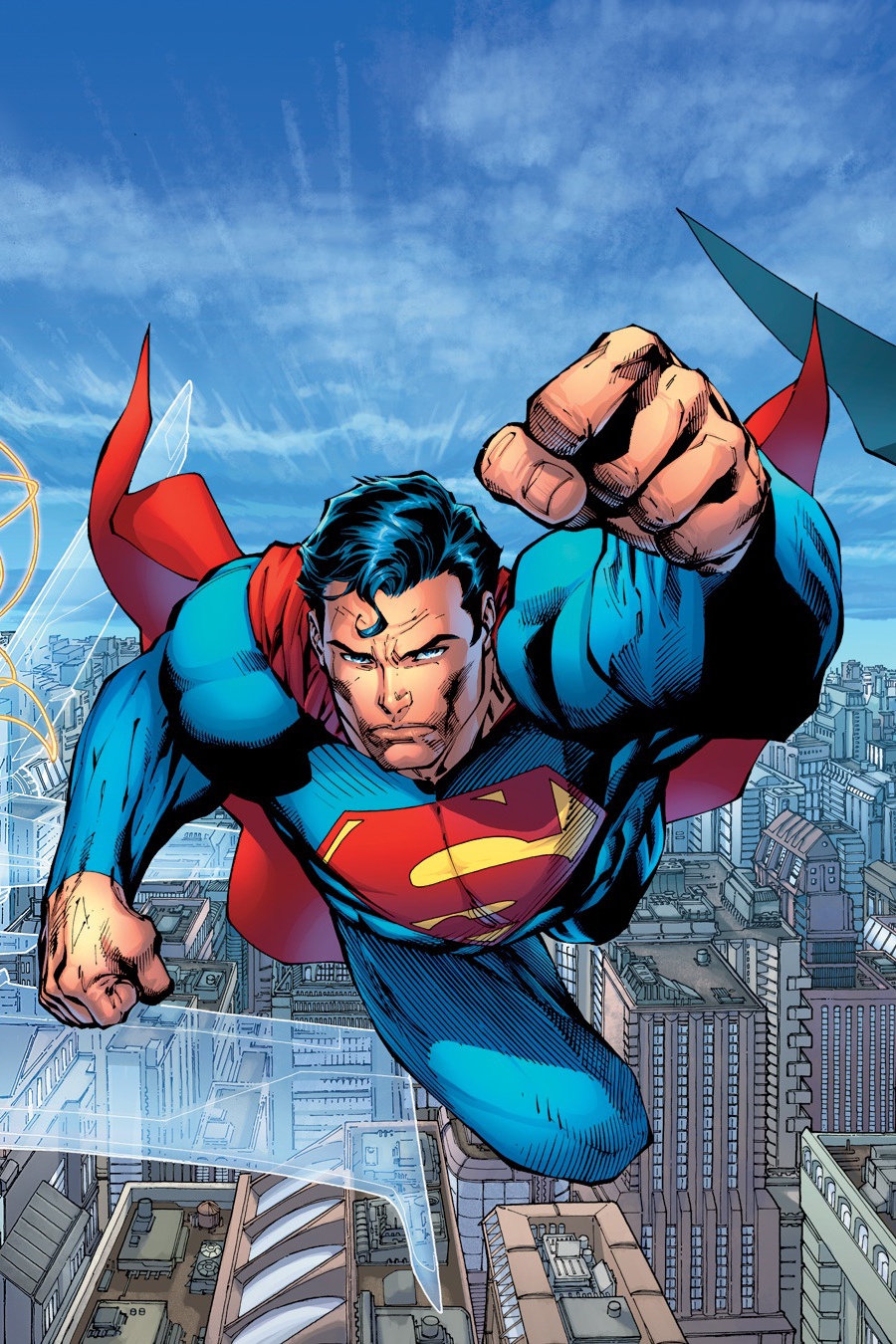
Superman, a hero with very clean cut moral objectives, standing for "Truth, Justice and the American Way." Although writers more recently have expanded on and developed his personality, his core concept remains central to the plot of most of his films and comics. Though he is not a good example of a hero as part of dialectic, since his ideals are rarely meaningfully challenged, he represents a powerful storytelling device that has survived for decades in popular culture.
Next, we began individually coming up with ideas, before sharing them in a group to be filmed and edited at a later date. Bearing in mind the concept of the chase, and a passing comment by Seb about the overuse of straight, white males as protagonists, I came up with the idea of a story in which a transgender woman (male to female) has bought a dress and has to conceal it from his friends, while they 'chase' him to discover what he's hiding, and after finding out leave him with just one good friend left. The moral premise here is that being open about yourself leads to discovering true friendship. I suggested this to the group, and after some discussion it was accepted as the story we would work with. We began planning a structure during the lesson, based on the idea of escalating, naturally forming obstacles, and created what we thought was a good foundation to plan a film with. I enjoyed this process of group collaboration and idea sharing, and while my ideas ended up being used first and foremost it was good to be challenged by my classmates, as their input helped both solidify my ideas and added some new ones.

No comments:
Post a Comment